
Before You Buy Exercise Equipment – Save Money & Time
Exercise equipment looks like an easy win—walk into a store, scroll online, swipe your card, done. But here’s the wild part: a huge percentage of home workout gear ends up collecting dust within months. True story—many people spend hundreds or even thousands of dollars, only to realize they bought the wrong equipment for their space, lifestyle, or fitness level. Ouch.
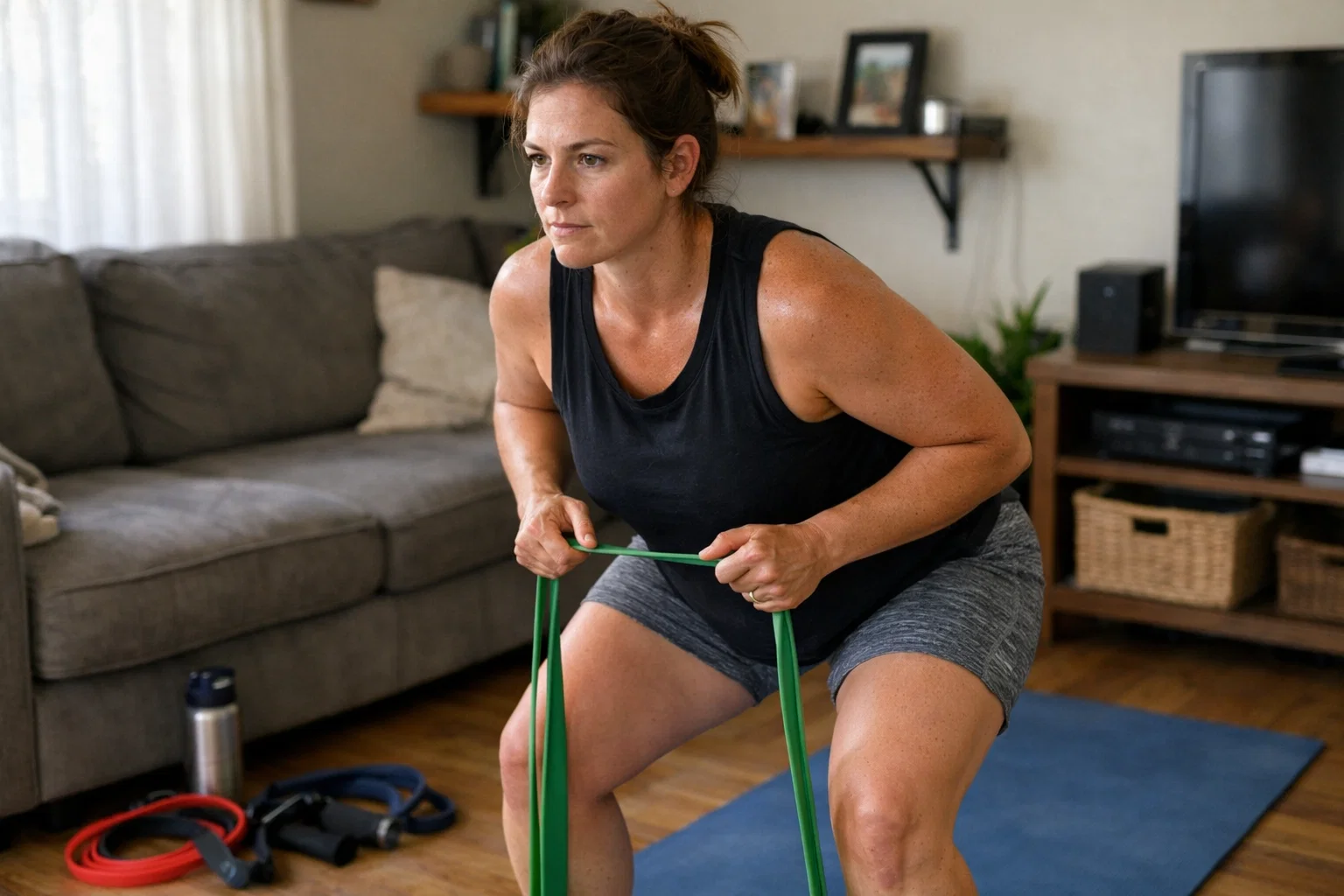
This topic matters because one bad decision can wreck your budget, waste your time, and leave you stuck with gear you can’t return. Some folks even deal with warranty fights, insurance claims, or—no joke—calling a lawyer over broken promises and fine print.
In this post, you’ll learn how to avoid those traps. We’ll break down what to look for before buying, the hidden costs nobody mentions, and how to protect your money the smart way. If you want to buy exercise equipment with confidence (and zero regret), you’re in the right place.
Table of Contents
Why Most People Waste Money on Exercise Equipment
Let’s keep it real — most people don’t waste money because they’re careless. They waste money because they buy exercise equipment with excitement instead of a plan. One late-night scroll, a flashy ad, a “limited-time deal,” and boom… the budget is gone.
The biggest mistake? Buying equipment that doesn’t match real life. A massive treadmill in a small apartment. Advanced machines for beginners. Or trendy gear that looks cool but feels like a chore after week one. Add in delivery fees, setup costs, and surprise repairs, and suddenly that “great deal” isn’t so great.
Another common issue is ignoring the fine print. No solid warranty, unclear insurance coverage, and return policies that disappear once the box is opened. When something breaks, people feel stuck — some even talk to a lawyer after hitting a wall with customer support.
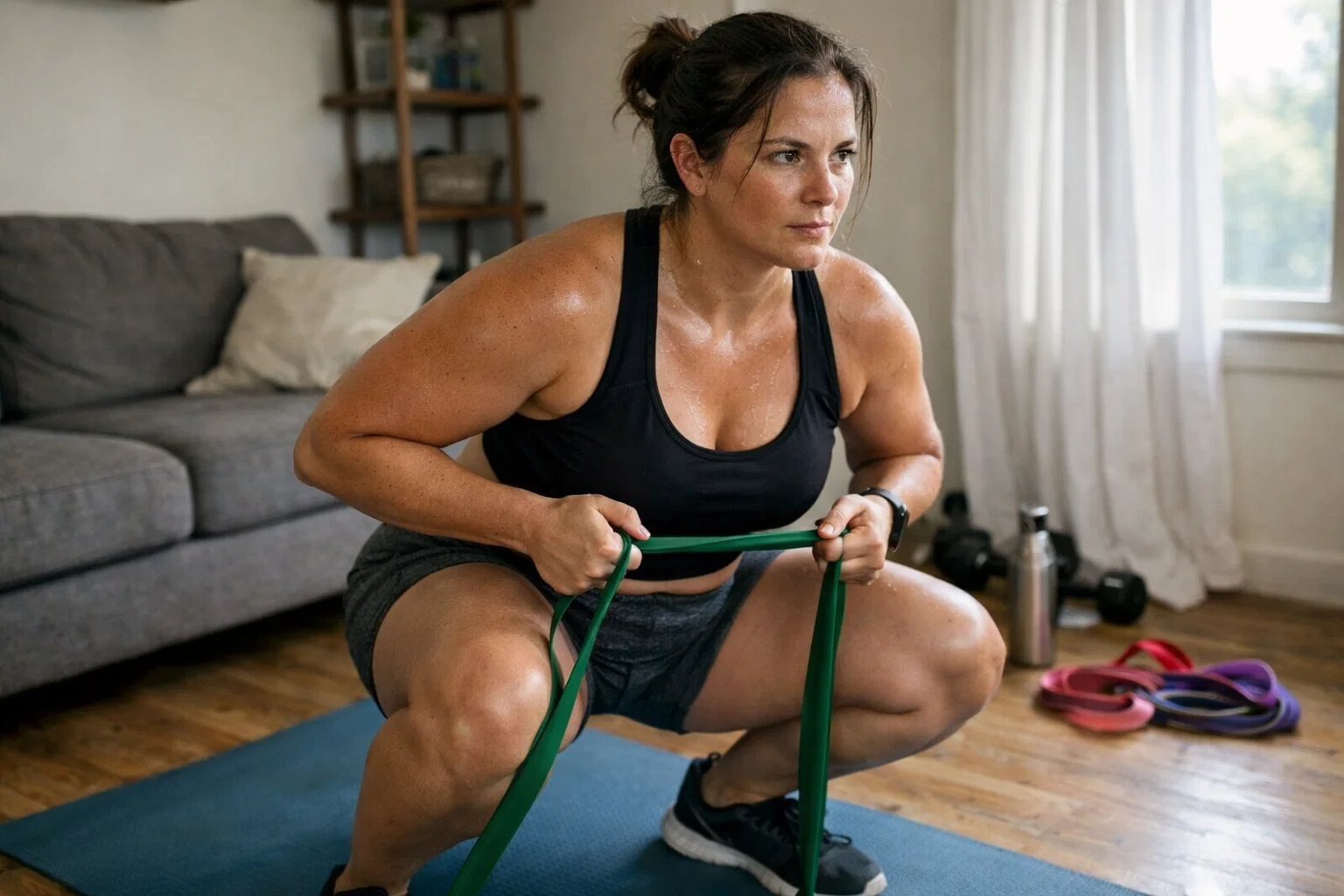
Key Questions to Ask Before Buying
Before you spend a single dollar on exercise equipment, pause for a second and ask yourself the right questions. This step alone can save your budget from a serious hit.
- Where will I actually put this equipment?
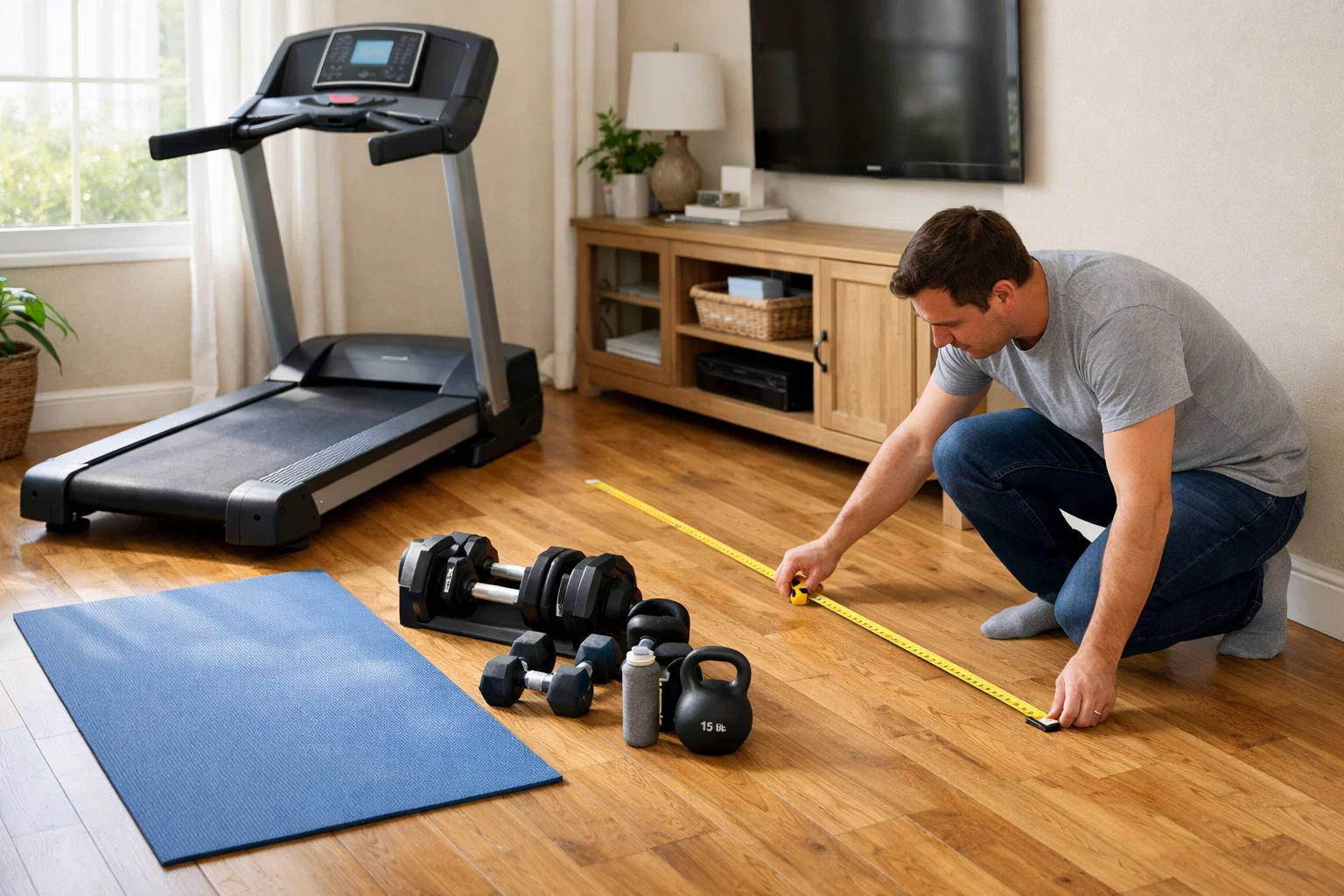
Measure your space—don’t guess. A machine that blocks doors or eats up your living room won’t last long in your routine. - How often will I truly use it?
Be honest. Three times a week is realistic. “Every day” usually isn’t. - Is this right for my fitness level?
Beginner buying pro-level gear is a fast way to quit. - What happens if it breaks?
Check the warranty, return policy, and whether insurance is available. Repairs can get expensive fast. - Can I return or resell it easily?
If the policy is vague, you might need more than customer support—sometimes even a lawyer gets involved.
Smart questions lead to smart purchases.
Budget Reality Check (Money-Saving Section)
Let’s talk numbers — because exercise equipment can quietly destroy your budget if you’re not paying attention. Most buyers look only at the price tag, but that’s just the beginning of the story.
Ask yourself: What’s the real cost over time?
Delivery fees, professional assembly, replacement parts, and maintenance add up fast. Some machines even require special flooring or extra power usage, which means higher monthly bills. And if something breaks? Repairs without proper insurance can cost almost as much as buying new.
Here’s the part nobody warns you about: unclear warranties. Many people assume they’re covered, only to find out the damage “isn’t included.” That’s when frustration kicks in — and in extreme cases, buyers start talking to a lawyer over denied claims or misleading terms.
Smart shoppers set a clear budget, plan for hidden costs, and choose equipment that fits both their fitness goals and their wallet — not just their impulse.
Hidden Costs No One Talks About
Here’s the sneaky part about exercise equipment — the real cost often shows up after the purchase. The machine might look affordable at checkout, but once it’s in your home, the extra expenses start rolling in.
First, there’s maintenance. Belts wear out, cables loosen, and digital screens fail. Without proper warranty or insurance, even small fixes can hit your budget hard. Then come electricity costs. Treadmills, smart bikes, and connected equipment run longer than you think, quietly increasing your monthly bills.
Space damage is another overlooked issue. Heavy equipment can scratch floors or crack tiles, leading to repairs your landlord—or homeowner’s policy—won’t cover. Noise complaints can also become a problem, especially in apartments, forcing you to buy mats or soundproofing.
When these costs pile up, some buyers feel trapped, stuck with equipment that’s too expensive to fix or replace — and that’s when people start wishing they’d read the fine print or even talked to a lawyer first.
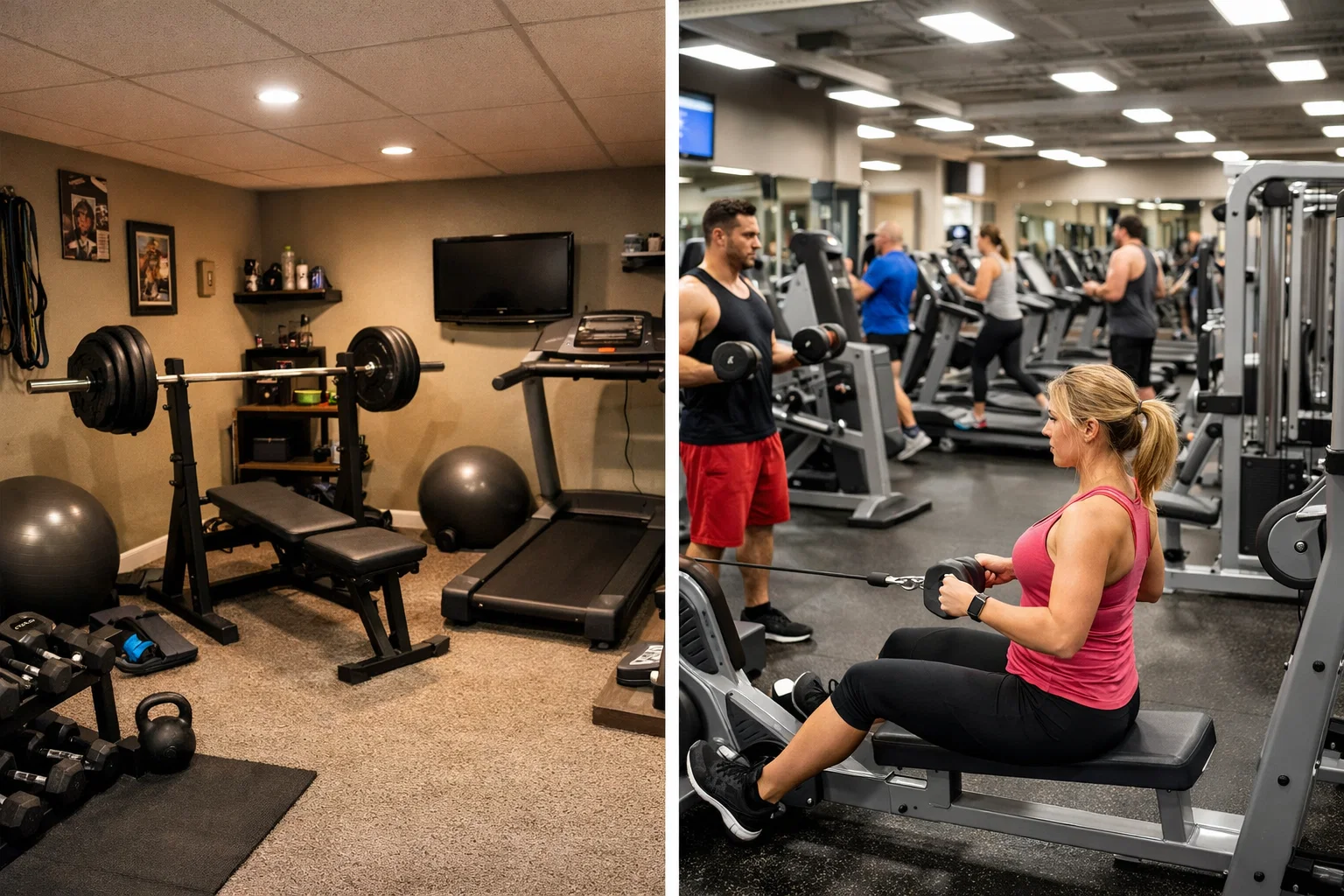
Home vs Gym Equipment Comparison
Choosing between home exercise equipment and a gym membership isn’t just about convenience — it’s about cost, commitment, and long-term value. A quick side-by-side comparison can make the decision a whole lot clearer and protect your budget from regret.
| Factor | Home Exercise Equipment | Gym Membership |
|---|---|---|
| Upfront Cost | High one-time payment | Low or none |
| Monthly Fees | Usually none | Ongoing monthly cost |
| Convenience | Workout anytime | Travel required |
| Maintenance | Your responsibility | Handled by gym |
| Repairs & Insurance | Often needed | Included |
| Space Required | Yes | None |
| Motivation Level | Depends on you | Built-in atmosphere |
Home equipment works great if you value flexibility and consistency. Gyms make more sense if motivation, variety, and avoiding repair headaches matter more. Either way, understanding these differences helps you spend smarter — and avoids situations where warranty disputes or repair issues push people toward calling a lawyer over unclear terms.
Red Flags & Legal Stuff (Surprising Angle)
Most people don’t expect buying exercise equipment to come with legal headaches — but it happens more than you’d think. The first red flag? Vague warranties. If the coverage sounds confusing or full of loopholes, that’s a sign trouble may be coming.
Another warning sign is missing return details. Some sellers make returns sound easy until you read the fine print. Opened box? Used once? Suddenly, you’re stuck. That’s where budget losses begin, and frustration kicks in.
Pay attention to insurance offers, too. If high-cost equipment doesn’t come with optional protection, repairs can drain your wallet fast. Even worse, poor customer support can leave buyers feeling ignored when something breaks.
In extreme cases, buyers end up talking to a lawyer over denied claims, misleading ads, or unclear contracts. Sounds dramatic — but a few minutes reading policies before you buy can save months of stress later.
Smart Buying Checklist
Before you commit to any exercise equipment, run through this quick checklist. It’s simple, scannable, and can save your budget from a costly mistake.
✔ Fits your space
Measure first. If it barely fits, it won’t stay there long.
✔ Matches your fitness level
Beginner-friendly beats advanced gear you won’t use.
✔ Realistic for your schedule
If setup feels like work, consistency will drop.
✔ Clear warranty & return policy
No confusion, no hidden terms, no stress.
✔ Optional insurance available
Especially important for high-priced machines.
✔ Affordable maintenance & repairs
Know the long-term cost, not just the price tag.
✔ Reliable customer support
Hard to reach now = nightmare later.
Skip this list, and you may end up wasting money—or worse, calling a lawyer over broken promises. Smart buyers check first, then buy with confidence.

Final Verdict: Buy Smart, Not Emotional
Here’s the bottom line: exercise equipment can transform your fitness journey — but only if you buy smart. Rushing into purchases, ignoring hidden costs, or skipping research is the fastest way to waste your budget, time, and energy. From delivery fees to maintenance, warranty issues, and even insurance gaps, these little surprises add up fast. Some buyers even end up frustrated enough to involve a lawyer when claims or repairs go wrong — and nobody wants that headache.
The smart approach? Measure your space, match equipment to your fitness level, understand warranties, and plan for long-term costs. Ask the tough questions, use our checklist, and think beyond the sticker price.
💡 Your next move: Don’t buy on impulse. Bookmark this guide, compare options, and choose gear that will actually get used. Your wallet — and your workouts — will thank you.
Frequently Asked Questions (FAQs)
Here are some of the most common questions people ask before buying exercise equipment — answered clearly so you can make a smart decision without wasting your budget.
1. Is expensive equipment always better?
Not necessarily. High price doesn’t guarantee long-term value. Sometimes mid-range gear gives you better durability, easier maintenance, and lower repair costs. Always check warranty and insurance options before buying.
2. Do I really need insurance for home exercise equipment?
For high-cost machines like treadmills, smart bikes, or rowing machines, yes. Insurance protects you from costly repairs, accidents, or manufacturer defects that aren’t covered under warranty.
3. Can I resell equipment if I don’t use it?
Possibly, but resale value drops quickly. Equipment that’s worn, damaged, or missing parts can be tough to sell, so consider this before splurging.
4. What’s the biggest mistake beginners make?
Buying advanced or trendy equipment too soon. Start with essentials that match your skill level, space, and schedule.
5. How do I avoid legal or warranty issues?
Read the fine print, check return policies, verify warranty coverage, and keep receipts. If problems arise, documented proof can save your budget and avoid needing a lawyer.
Related Articles
Cristiano Ronaldo Fast & Furious 11 Trailer: Real or Viral Rumor?
This Was Never Supposed to Go Public – The PSG Leak Explained
You Won’t Believe What Ronaldo Just Said About African Football